Stricken ist ein wunderbares Handwerk, mit dem man mit Wolle und Nadeln warme Schals, kuschelige Mützen und schöne Decken herstellen kann. Es ist eine Fähigkeit, die jeder mit etwas Geduld und Übung erlernen kann.
Egal, ob Sie nach einem anstrengenden Tag entspannen oder personalisierte Geschenke für Freunde und Familie anfertigen möchten, Stricken bietet eine kreative und lohnende Erfahrung.
Lesen Sie weiter, um alles zu erfahren, was Sie über das Stricken wissen müssen, von den Grundstichen bis hin zu einfachen Projekten.
Wie man strickt: Was man zum Stricken braucht
Bevor Sie mit dem Stricken beginnen, ist es wichtig, die richtigen Werkzeuge zu sammeln und einige Grundbegriffe zu verstehen. Dieser Abschnitt wird Ihnen helfen, sich auf Ihr erstes Strickprojekt vorzubereiten und sich sicher zu fühlen.
Grundlegende Strickwerkzeuge für Anfänger
Zum Stricken benötigen Sie:
- Stricknadeln: Diese gibt es in verschiedenen Größen und Materialien wie Holz, Metall oder Kunststoff. Anfänger beginnen oft mit mittelgroßen Nadeln (Größe 8 oder 9) aus Holz oder Bambus, da diese gut zu halten sind und die Wolle reibungslos gleitet.
- Wolle: Wählen Sie eine glatte, mittelschwere Wolle in einer hellen Farbe. Helle Farben erleichtern das Erkennen Ihrer Maschen.
- Schere: Zum Schneiden der Wolle.
- Stopfnadel: Zum Vernähen der Fadenenden, wenn Sie Ihr Projekt beendet haben.
Maschenmarkierer (optional): Diese helfen, wichtige Stellen in Ihrem Strickstück zu markieren.
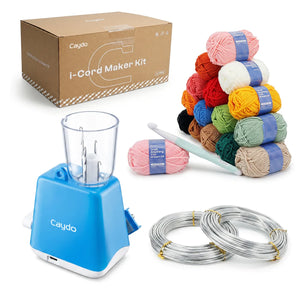
Caydo Produkte, die Sie vielleicht kaufen möchten
Mehr entdecken


Grundlegende Strickbegriffe, die Sie kennen sollten
Hier sind einige gebräuchliche Begriffe, die Sie beim Erlernen des Strickens hören werden:
- Anschlagen: Die Methode, die erste Maschenreihe auf Ihre Nadel zu bringen.
- Rechte Masche: Die grundlegendste Masche beim Stricken.
- Linke Masche: Die zweite Grundmasche, die eine andere Textur erzeugt.
- Abketten: Die Technik, Ihr Strickstück zu beenden und die Maschen zu sichern.
- Maschenprobe: Wie viele Maschen und Reihen in einen bestimmten Bereich passen; wichtig für die Größe von Projekten.
📌 Wenn Sie mehr über Strickbegriffe und deren Bedeutung erfahren möchten, lesen Sie den Artikel Strickbegriffe, die jeder Anfänger kennen sollte für eine klare und einfache Erklärung.
Wie man Schritt für Schritt strickt: Die rechte Masche meistern
Das Erlernen des Strickens beginnt mit dem Verständnis der rechten Masche. Dieser Abschnitt unterteilt den Prozess in einfache Schritte, damit Sie leicht folgen können.
Schritt 1: Wie man Nadeln und Garn hält
Halten Sie eine Nadel in der linken und die andere in der rechten Hand. Wickeln Sie das Garn um Ihre Finger, um die Spannung beim Stricken zu kontrollieren. Eine bequeme Haltung zu finden, erfordert Übung, machen Sie sich also keine Sorgen, wenn es sich am Anfang unbeholfen anfühlt.
Schritt 2: Die ersten Maschen anschlagen
Das Anschlagen ist die Art und Weise, wie Sie Maschen auf Ihre Nadel bekommen, um mit dem Stricken zu beginnen. Es gibt mehrere Methoden, aber der Kreuzanschlag ist bei Anfängern beliebt, da er eine saubere Kante erzeugt. Üben Sie das Anschlagen von etwa 20 Maschen, um Ihr Projekt zu beginnen.

Schritt 3: Die rechte Masche stricken
Die rechte Masche ist die Grundlage des Strickens. Führen Sie die rechte Nadel in die erste Masche auf der linken Nadel ein, wickeln Sie das Garn um die rechte Nadel und ziehen Sie es durch, um eine neue Masche zu bilden. Schieben Sie die alte Masche von der linken Nadel und wiederholen Sie den Vorgang.

Schritt 4: Die linke Masche hinzufügen
Die linke Masche ist das Gegenteil der rechten Masche und erzeugt eine noppigere Textur. Das Erlernen von rechten und linken Maschen ermöglicht es Ihnen, viele Muster zu stricken. Um links zu stricken, bringen Sie das Garn nach vorne und führen Sie die Nadel von hinten nach vorne durch die Masche.
Schritt 5: Abketten, um Ihr Projekt zu beenden
Das Abketten sichert Ihre Maschen, damit sie sich nicht auflösen. Stricken Sie zwei Maschen, heben Sie dann die erste Masche über die zweite und von der Nadel. Fahren Sie fort, bis eine Masche übrig bleibt, schneiden Sie dann das Garn ab und ziehen Sie es durch die letzte Masche.
Übungstipps für Anfänger
- Halten Sie Ihre Spannung gleichmäßig, damit die Maschen nicht zu fest oder zu locker sind.
- Machen Sie Pausen, wenn Ihre Hände müde werden.
- Verwenden Sie glattes Garn und Nadeln, um das Stricken zu erleichtern.
📌 Wenn Sie eine detaillierte, bebilderte Anleitung zur rechten Masche sehen möchten, lesen Sie den Artikel Wie man die rechte Masche strickt für eine klare visuelle Anleitung.
Einfache Strickprojekte: Was man zuerst strickt, wenn man das Stricken lernt
Mit einfachen Projekten zu beginnen, hilft Ihnen, Selbstvertrauen und Fähigkeiten aufzubauen. Hier sind einige anfängerfreundliche Ideen, die Spaß machen und schnell zu realisieren sind.
Einfache Projekte, perfekt für Anfänger
- Schals: Ein Schal ist ein großartiges erstes Projekt, da er nur rechte Maschen verwendet und leicht in Länge und Farbe angepasst werden kann.
- Spültücher: Klein und schnell fertig, sind Spültücher perfekt zum Üben verschiedener Maschen.
- Mützen: Sobald Sie sich wohlfühlen, sind Mützen, die in Runden gestrickt werden, ein beliebter nächster Schritt.
Ihr erstes Muster auswählen
Suchen Sie nach Mustern, die als „Anfänger“ oder „einfach“ gekennzeichnet sind. Sie enthalten normalerweise Schritt-für-Schritt-Anleitungen und verwenden grundlegende Maschen. Muster mit Bildern oder Videos können besonders hilfreich sein.
📌 Wenn Sie lernen möchten, wie man einen Schal von Anfang bis Ende strickt, lesen Sie den Artikel Wie man einen Schal strickt: Schritt-für-Schritt-Anleitung für Anfänger für eine einfache und lustige Projektidee.
Fehlerbehebung beim Erlernen des Strickens: Häufige Fehler beheben

Fehler sind Teil des Stricklernens. Zu wissen, wie man sie behebt, spart Ihnen Zeit und Frustration.
Wie man fallengelassene Maschen behebt
Eine fallengelassene Masche sieht aus wie ein Loch in Ihrem Strickstück. Verwenden Sie eine Häkelnadel oder Stricknadel, um die Masche aufzunehmen und sie wieder auf die aktuelle Reihe zu bringen.
Was ist „Frogging“ und wie geht das?
„Frogging“ bedeutet, Ihr Strickstück aufzudröseln, um Fehler zu beheben oder neu zu beginnen. Der Name kommt von dem Geräusch „rip-it, rip-it“ wie das Quaken eines Frosches. Ziehen Sie vorsichtig am Garn, um die Maschen bis zum Fehler rückgängig zu machen.
Umgang mit ungleichmäßiger Spannung
Wenn Ihre Maschen zu fest oder zu locker sind, versuchen Sie, Ihre Art, das Garn zu halten, anzupassen. Entspannen Sie Ihre Hände und üben Sie, den Garnfluss zu kontrollieren.
📌 Weitere Tipps zur Behebung häufiger Strickprobleme finden Sie im Artikel Strickbegriffe, die jeder Anfänger kennen sollte, um die verwendete Terminologie bei der Fehlerbehebung zu verstehen.
Wie man Strickmuster liest: Anleitungen für Ihre Projekte verstehen
Strickmuster sind wie Rezepte für Ihre Projekte. Das Lesen zu lernen, eröffnet Ihnen eine Welt voller kreativer Möglichkeiten.
Worauf Sie in einem Muster achten sollten
- Materialliste: Garnart und Nadelstärke.
- Maschenprobe-Informationen: Hilft Ihnen, die Größe anzupassen.
- Abkürzungen: Kurze Formen für Maschen und Techniken.
- Schritt-für-Schritt-Anleitung: Reihen oder Runden zum Folgen.
Tipps zum Lesen von Mustern
- Nehmen Sie sich Zeit und lesen Sie das gesamte Muster, bevor Sie beginnen.
- Verwenden Sie einen Textmarker oder Haftnotizen, um wichtige Stellen zu markieren.
- Schauen Sie sich Videos oder Tutorials an, wenn Sie nicht weiterkommen.
📌 Um sich mit Strickmustern vertraut zu machen, lesen Sie den Artikel Wie man Strickmuster liest: Ein Anfängerleitfaden für einfache Erklärungen.
Fazit
Das Erlernen des Strickens eröffnet eine Welt voller Kreativität und Entspannung. Mit den richtigen Werkzeugen und etwas Übung können Sie wunderschöne Projekte wie Schals, Mützen und vieles mehr anfertigen.
Weitere hilfreiche Anleitungen und Tipps zum Stricken und anderen lustigen Aktivitäten finden Sie bei Caydo. Sie bieten eine große Auswahl an Produkten für Stricken und Häkeln, Schmuckherstellung, Armbandherstellung, Bügelperlen, Diamond Painting, Siebdruck, Zeichnen, Sticken und vieles mehr.
Beginnen Sie noch heute Ihre Handwerksreise mit Caydos hochwertigen Materialien und hilfreichen Ressourcen.
Häufig gestellte Fragen zum Stricken
Ist Stricken schwerer als Häkeln?
Stricken und Häkeln verwenden unterschiedliche Werkzeuge und Techniken. Einige finden Stricken einfacher, weil es zwei Nadeln verwendet und ein dehnbareres Gewebe erzeugt. Andere bevorzugen Häkeln wegen der einfachen Nadel und der schnelleren Ergebnisse. Es hängt von Ihrer persönlichen Vorliebe und dem ab, was Sie herstellen möchten.
Ist Stricken gut für ADHS?
Stricken kann für Menschen mit ADHS sehr hilfreich sein, da es Konzentration und repetitive Bewegungen erfordert, die beruhigend wirken können. Es bietet auch ein kreatives Ventil und ein Erfolgserlebnis. Viele finden, dass Stricken hilft, die Konzentration zu verbessern und Stress abzubauen.
Was kann ich in 1 Stunde stricken?
In einer Stunde können Anfänger normalerweise ein kleines Spültuch, einige Reihen eines Schals stricken oder Maschen auf einer Maschenprobe üben. Schnelle Projekte wie Untersetzer oder einfache Stirnbänder sind ebenfalls möglich.
Ist Stricken ein Hobby für alte Damen?
Stricken wird heute von Menschen jeden Alters genossen. Es hat ein großes Comeback als trendige, kreative Aktivität erlebt. Viele junge Leute stricken aus Mode, zur Entspannung und für die Gemeinschaft, was es zu einem modernen und beliebten Handwerk macht.
Ist Stricken eine Fähigkeit oder ein Talent?
Stricken ist eine Fähigkeit, die jeder mit Übung erlernen kann. Während einige es schneller lernen mögen, hängt es hauptsächlich von Geduld und der Zeit ab, die man mit Üben verbringt, und nicht von natürlichem Talent.