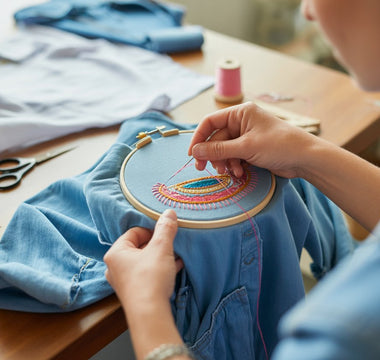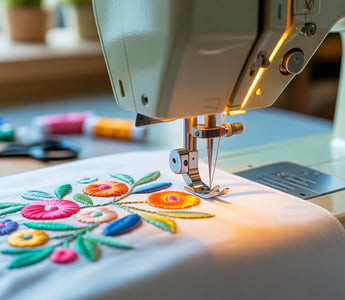
Sticken muss nicht länger ein langsamer, handgestickter Prozess sein. Mit einer Nähmaschine können Sie individuelle Designs erstellen, Kleidung detaillierter gestalten und Ihrer Heimdekoration eine persönliche Note verleihen – ohne in eine spezielle Stickmaschine investieren zu müssen.
Sie können mit einer normalen Nähmaschine sticken, indem Sie die richtigen Werkzeuge, Stiche und Einstellungen verwenden.
Sie beginnen damit, die grundlegenden Materialien und Einstellungen kennenzulernen, die den Prozess reibungslos gestalten. Sobald Ihre Maschine bereit ist, werden Sie die einfachen Stichmethoden erkunden, die Designs zum Leben erwecken.
Sie werden sehen, wie einfach es ist, von grundlegenden Umrissen zu auffälligen Mustern überzugehen, die handgemacht aussehen. Wenn Sie selbstbewusster werden, können Sie Ihre eigenen Designs anpassen und mit Texturen, Buchstaben und Motiven experimentieren, die Ihren Stil widerspiegeln.
Wesentliche Werkzeuge und Materialien für die Maschinenstickerei

Gute Maschinenstickerei hängt von der Verwendung der richtigen Werkzeuge und Materialien ab. Ihre Ergebnisse verbessern sich, wenn Ihre Einrichtung reibungslos funktioniert – von der Maschine und den Nadeln bis zu Stabilisatoren, Rahmen und wichtigen Zubehörteilen, die jeden Stich sauber und sicher halten.
Auswahl der richtigen Nähmaschine
Eine Maschine mit Stickfuß oder Stopffuß, einstellbarer Geschwindigkeit und automatischem Einfädeln macht das Sticken einfacher. Suchen Sie nach einem Modell, das es Ihnen ermöglicht, den Transporteur zu versenken oder abzusenken – dies gibt Ihnen die volle Kontrolle beim Führen des Stoffes.
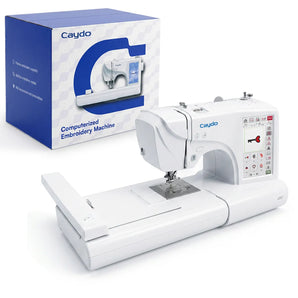
Eine stickfertige Maschine enthält oft eingebaute Stichmuster und USB-Übertragungsoptionen für digitale Designs. Wenn Sie eine normale Nähmaschine verwenden, ist Freihandsticken möglich, erfordert aber mehr Übung, da Sie den Stoff manuell bewegen, um mit dem Faden zu „zeichnen“.
Überprüfen Sie den Durchlassbereich (Bereich rechts von der Nadel), um sicherzustellen, dass er für größere Projekte geeignet ist. Für Stabilität sorgt ein stabiler Tisch oder ein Verlängerungsarm dafür, dass der Stoff während des Nähens eben bleibt.
Auswahl von Nadeln und Fäden
Stickereien sehen sauberer aus, wenn Nadelgröße und Fadengewicht zu Ihrer Stoffart passen. Verwenden Sie Sticknadeln, die größere Ösen als Standardnähnadeln haben; dies reduziert Reibung und Fadenbruch.
Für den allgemeinen Gebrauch eignen sich Größen 75/11 oder 80/12 gut. Schwerere Stoffe benötigen möglicherweise größere Nadeln.
Die folgende Tabelle zeigt grundlegende Kombinationen:
|
Stoffart |
Nadelgröße |
Empfohlener Faden |
|
Leichte Baumwollstoffe |
75/11 |
40 wt Viskose oder Polyester |
|
Jeans oder Segeltuch |
90/14 |
30 wt Baumwolle oder Polyester |
|
Strickwaren |
80/12 |
Stretch- oder Polyester-Stickgarn |
Stickgarn – meist Viskose oder Polyester – verleiht Glanz und Festigkeit. Baumwollfäden sorgen für ein weicheres, mattes Aussehen für ein klassisches Finish.
Spulen Sie die Unterfäden immer gleichmäßig auf und halten Sie die Fadenspannung ausgewogen, um Schlaufenbildung oder Kräuseln zu vermeiden.
Arten von Stabilisatoren und Rahmen
Ein Stabilisator verhindert, dass sich der Stoff verschiebt. Ihre Wahl hängt vom Material und der Designdichte ab.
- Reißvlies eignet sich für feste Stoffe wie Baumwolle oder Denim. Es lässt sich nach dem Sticken sauber abreißen.
- Schneidevlies bleibt für dehnbare Stoffe oder detaillierte Designs an Ort und Stelle.
- Wasserlösliches Vlies verschwindet mit Wasser und eignet sich am besten für Spitze oder empfindliche Projekte.
Verwenden Sie einen Stickrahmen oder Magnetrahmen, um den Stoff zu fixieren. Den Stoff immer faltenfrei spannen, um saubere Umrisse zu erhalten.
Sammeln von wichtigem Zubehör
Das richtige Zubehör hilft, Ihre Einrichtung organisiert und effizient zu halten. Fadenabschneider beschleunigen das Abschneiden zwischen Farbwechseln.
Temporäres Klebespray fixiert Stoff- und Stabilisatorschichten beim Einspannen kleiner oder schwieriger Teile.
Kleine Werkzeuge wie Stickschere, zusätzliche Spulen und Stoffmarker sparen Zeit bei Projekten. Halten Sie einen Ersatzstickfuß und eine Vielzahl von Nadelgrößen in Ihrem Set bereit.
Lagern Sie Fäden an einem trockenen Ort, fern von Sonnenlicht, um Ausbleichen zu verhindern. Eine kleine Werkzeugkiste oder Nähbox hält alles in Reichweite, damit Sie sich auf den kreativen Teil konzentrieren können – das Sticken sauberer, detaillierter Designs.
Einrichten Ihrer Nähmaschine zum Sticken

Gute Stickereien beginnen mit einer gut vorbereiteten Nähmaschine. Der Einrichtungsprozess umfasst die Auswahl der richtigen Nadel und des Fadens, die Anpassung der Spannungseinstellungen und das Fixieren Ihres Stoffes, damit die Stiche präzise bleiben.
Einige sorgfältige Anpassungen helfen, Fehlstiche und ungleichmäßige Designs zu vermeiden.
Vorbereiten Ihrer Maschine
Beginnen Sie mit dem Anbringen aller stickspezifischen Aufsätze, wie z.B. eines Stick- oder Stopffußes. Dieser Fuß ermöglicht es der Nadel, sich frei zu bewegen, während Sie den Stoff führen.
Wenn Ihre Maschine eine Stickeinheit hat, befestigen Sie diese gemäß Ihrer Anleitung. Als Nächstes senken oder bedecken Sie den Transporteur, damit sich der Stoff unter Ihrer Kontrolle reibungslos bewegen kann.
Dieser Schritt ist entscheidend für das Freihandsticken. Überprüfen Sie, ob Ihre Spule sauber und gleichmäßig aufgewickelt ist.
Eine schlecht aufgewickelte Spule kann zu Fadenverwicklungen oder ungleichmäßigem Sticken führen. Verwenden Sie eine Sticknadel der Größe 75/11 oder eine andere feine, scharfe Nadel, die für Stickereien geeignet ist.
Kombinieren Sie diese mit hochwertigem Stickgarn, das für Ihre gewählte Stoffart geeignet ist. Diese kleinen Details reduzieren Fadenbruch und sorgen dafür, dass Ihr Design sauber wird.
Anpassen von Spannung und Sticheinstellungen
Die richtige Spannung sorgt dafür, dass die Stiche zwischen Ober- und Unterfaden ausgeglichen sind. Stellen Sie die Fadenspannung etwas niedriger ein, als Sie es für normales Nähen tun würden, oft zwischen 2 und 4 an vielen Maschinen.
Bei der Spulenspannung sollten Sie ein zu starkes Anziehen vermeiden – sie sollte es dem Spulenkapsel ermöglichen, langsam herunterzufallen, wenn sie am Faden gehalten wird. Verwenden Sie eine kurze Stichlänge, etwa 1,5–2,0 mm, für detaillierte Bereiche.
Etwas längere Stiche eignen sich besser für Umrisse oder Füllungen. Testen Sie verschiedene Einstellungen an einem Stoffrest, bevor Sie mit Ihrem Hauptstück beginnen.
Dieser Schritt hilft, Fehlstiche und Kräuseln zu vermeiden. Einige Maschinen ermöglichen es Ihnen, die Stoffspannung durch Anpassen des Nähfußdrucks fein abzustimmen.
Ein leichtes Lockern reduziert den Widerstand und hilft dem Stoff, gleichmäßig unter der Nadel zu gleiten.
Richtige Spanntechniken
Das Einspannen hält Ihren Stoff flach und stabil, damit Ihre Stiche ausgerichtet bleiben. Legen Sie den Stoff und den Stabilisator mit mäßiger Spannung in den Stickrahmen – nicht straff gespannt oder locker.
Die Oberfläche sollte glatt, aber nicht verzogen sein. Verwenden Sie den richtigen Stabilisatortyp – Abreißvlies für Webstoffe oder Schneidevlies für dehnbare Stoffe.
Korrigieren Sie die Schichtung unter dem Stoff, um Verschiebungen während des Nähens zu vermeiden. Überprüfen Sie die Ausrichtung, indem Sie die Nadel einmal absenken, bevor Sie beginnen, um sicherzustellen, dass Ihr Design dort beginnt, wo Sie es geplant haben.
Fädeln Sie neu ein, spannen Sie neu oder passen Sie die Stoffplatzierung an, wenn Sie während Ihrer ersten Teststiche eine ungleichmäßige Spannung oder ein Verrutschen bemerken.
Sticktechniken und Stichmethoden

Maschinenstickerei verbindet Präzision und Kreativität. Sie steuern die Bewegung des Stoffes, wählen Stiche, die den Stil Ihres Designs definieren, und passen die Techniken an verschiedene Stoffarten an.
Grundlagen des Freihandstickens
Freihandsticken ermöglicht es Ihnen, mit Ihrer Nähmaschine mit Faden zu zeichnen. Sie senken oder bedecken den Transporteur, befestigen einen Stopf- oder Stickfuß und bewegen den Stoff selbst.
Dies gibt Ihnen die volle Kontrolle über die Stichrichtung und -form. Verwenden Sie eine mittlere Geschwindigkeit, damit Sie den Stoff reibungslos und ruckelfrei führen können.
Ein wichtiger Tipp ist, Ihren Stickarm entspannt zu halten. Plötzliche Bewegungen können zu ungleichmäßigen Stichen oder Kräuseln führen.
Beginnen Sie mit dem Umreißen einfacher Formen, bevor Sie Details hinzufügen.
Hier ist eine schnelle Checkliste zur Einrichtung:
|
Schritt |
Aufgabe |
Hinweis |
|
1 |
Transporteur senken |
Verhindert automatische Stoffbewegung |
|
2 |
Stickfuß anbringen |
Ermöglicht volle Stoffkontrolle |
|
3 |
Vlies unter Stoff verwenden |
Reduziert Dehnung und Kräuseln |
|
4 |
Stichlänge manuell anpassen |
Maschine auf Geradstichmodus einstellen |
Diese Technik eignet sich gut für Freihandbeschriftungen, Blumenumrisse und abstrakte Stickprojekte, die kreative Freiheit erfordern.
Gängige Stiche in der Maschinenstickerei
Verschiedene Sticharten verleihen Ihren Designs Textur und Tiefe. Der einfache Geradstich ist perfekt für Umrisse oder zarte Details.
Der Zickzackstich erzeugt eine flexible, dekorative Linie, die sich für Bordüren oder das Füllen kleiner Flächen eignet. Ein Satinstich bildet einen glatten, soliden Farbblock, ideal für Buchstaben und dichte Motive.
Der Steppstich erzeugt einen leichten, gestrichelten Effekt, der oft für Skizzenstickereien verwendet wird. Im Gegensatz dazu verstärkt der Rückstich Linien, wo Sie zusätzliche Definition wünschen.
Verwenden Sie diese Kurzübersicht:
- Geradstich: Umrisse und Detailarbeiten
- Satinstich: Bereiche, die eine vollständige Abdeckung benötigen
- Zickzackstich: Kantenabschlüsse oder gekrümmte Linien
- Steppstich: Leichte Muster
- Rückstich: Verstärkte Linien
Experimentieren Sie mit Fadengewicht und Spannung, um klare, gleichmäßige Stiche zu finden, die zu Ihren Stickmotiven passen.
Lesen Sie auch: Arten von Stickstichen: 15 grundlegende Kenntnisse und darüber hinaus
Arbeiten mit verschiedenen Stoffen
Verschiedene Stoffe verhalten sich unter einer Nähmaschine auf einzigartige Weise. Leichte Stoffe wie Baumwolle oder Leinen benötigen einen Stabilisator, um Verformungen zu vermeiden.
Dehnbare Stoffe wie Jersey benötigen zusätzliche Unterstützung, um das Material vor dem Verziehen zu schützen. Verwenden Sie den richtigen Nadeltyp und die richtige Größe.
Verwenden Sie beispielsweise eine Kugelspitznadel bei Strickwaren und eine scharfe Nadel bei Webstoffen. Passen Sie Ihre Spannung und den Nähfußdruck an, um die Stiche bei unterschiedlichen Stoffdicken gleichmäßig zu halten.
Wenn Sie mit empfindlichen oder komplexen Stoffarten arbeiten, testen Sie Ihre Stiche immer zuerst an Stoffresten. Dieser kleine Schritt verhindert Probleme, bevor Sie mit Ihrem endgültigen Stickprojekt beginnen.
Kreatives Design und fortgeschrittene Maschinenstickerei

Ihre Ideen in gestickte Kunst umzusetzen, erfordert Planung, Musterübertragung und digitale Präzision.
Mit den richtigen Werkzeugen und Methoden können Sie originelle Stücke entwerfen, Texturen verbessern und jedem Stoff eine einzigartige Note verleihen.
Übertragen und Erstellen von Stickmustern
Bevor Sie mit dem Sticken beginnen, bereiten Sie Ihr Design sorgfältig vor. Sie können direkt auf den Stoff zeichnen, indem Sie wasserlösliche Stifte verwenden, sodass Sie Markierungen später abspülen können.
Eine weitere Option ist Kohlepapier, das hilft, komplizierte Stickmuster mit sauberen, sichtbaren Linien von Papier auf Stoff zu übertragen. Berücksichtigen Sie beim Entwerfen Ihres Musters Größe, Stoffart und Stichdichte.
Kleine, detaillierte Bilder wirken am besten auf dicht gewebten Stoffen, während kräftige Designs auf gröberen Materialien besser aussehen.
Erstellen Sie zuerst einen einfachen Umriss und fügen Sie dann schrittweise Details hinzu, um Gleichgewicht und Klarheit in Ihren Stickmotiven zu erhalten.
Führen Sie ein kleines Notizbuch mit Musterskizzen und Farbkombinationen. Dies erleichtert das spätere Reproduzieren oder Anpassen eines Designs.
Ob Sie mit einem gedruckten Muster beginnen oder freihändig zeichnen, die Zeit, die Sie für die genaue Übertragung Ihres Layouts aufwenden, sorgt für ein reibungsloseres Sticken und weniger Fehler.
Verwenden von Sticksoftware und Digitalisierung
Moderne Sticksoftware bietet Ihnen Flexibilität, die über das Handzeichnen hinausgeht.
Mit Digitalisierungssoftware können Sie Bilder, Texte oder handgezeichnete Skizzen in stichfertige Dateien umwandeln, die Ihre Stickmaschine lesen kann.
Sie können Sticharten, -richtungen und Fadenfarben anpassen, um das Aussehen zu optimieren.
Beachten Sie bei der Verwendung von Software die Auflösung und Größe. Ein Bild von geringer Qualität kann zu ungleichmäßigen Stichen oder Lücken führen.
Zeigen Sie Ihr Design immer im Simulator des Programms in der Vorschau an, bevor Sie es an die Maschine senden. Dieser Schritt hilft Ihnen, Fehler frühzeitig zu erkennen und zu beheben.
Einige Programme ermöglichen das Hinzufügen von Ebenen, das Mischen von Schriftarten und die Vorschau von Fadenkombinationen großer Marken.
Nutzen Sie diese Funktion, um die Farbharmonie vor Beginn des Stickprojekts zu testen. Halten Sie Ihre Designs in Ordnern mit klaren Beschriftungen organisiert, um sie einfach wiederverwenden oder ändern zu können.
Erkundung fortgeschrittener Techniken und Verzierungen
Sobald Sie mit der grundlegenden Maschinenstickerei vertraut sind, können Sie fortgeschrittene Sticktechniken ausprobieren, um Tiefe und Dimension hinzuzufügen.
Methoden wie Applikationen, 3D-Stickereien und freistehende Spitze führen Textur- und Schichteffekte ein, die auf fertigen Stücken hervorstechen.
Experimentieren Sie mit speziellen Fäden wie Metallic- oder melierten Optionen für subtile Highlights.
Verwenden Sie Zierstiche oder Perlenverzierungen, um das visuelle Interesse zu steigern.
Testen Sie neue Materialien immer zuerst an Probestoffen, um Spannung und Sticheinstellungen für Ihre Stickmaschine anzupassen.
Für kreative Variationen mischen Sie Stoffe wie Filz oder Organza innerhalb eines Stücks.
Kombinieren Sie gestickte Elemente mit Stickdesigns, die digital für komplexe, mehrschichtige Ergebnisse erstellt wurden.
Lesen Sie auch: Blumenstickmuster: Tipps, Ideen und Anleitungen
Zusammenfassung
Sticken mit einer Nähmaschine ist eine unterhaltsame Möglichkeit, detaillierte Designs schnell zu erstellen. Verwenden Sie Freihandsticken oder eine Stickmaschine für präzise Muster.
Wählen Sie den richtigen Stabilisator und Stoff, um Kräuseln zu vermeiden, und üben Sie, den Stoff reibungslos zu führen. Mit Geduld können Sie Hemden, Jeans und vieles mehr mit schönen gestickten Designs verzieren.
Bereit, mit der Maschinenstickerei zu beginnen? Entdecken Sie die Caydo Kollektionen für inspirierende Designs und verschönern Sie Ihre Nähprojekte mit Leichtigkeit!
Häufig gestellte Fragen
Welcher Stabilisator ist am besten für Maschinenstickerei geeignet?
Wählen Sie Ihren Stabilisator basierend auf Stoffart und Designdetails. Abreißvliese eignen sich gut für fest gewebte Stoffe wie Baumwolle.
Schneidevliese unterstützen dehnbare oder empfindliche Stoffe wie Strickwaren. Verwenden Sie auswaschbare Stabilisatoren für leichte Stoffe oder Projekte, bei denen Sie keine Rückstände wünschen.
Stellen Sie immer sicher, dass Ihr Stabilisator den Stickbereich vollständig abdeckt.
Kann ich normales Nähgarn für die Maschinenstickerei verwenden, oder benötige ich spezielles Stickgarn?
Verwenden Sie für beste Ergebnisse Stickgarn. Es ist für höhere Geschwindigkeiten ausgelegt und verleiht Ihrer Stickarbeit einen sanften Glanz.
Normales Nähgarn kann zum Testen verwendet werden, kann aber häufiger reißen und stumpf erscheinen.
Polyester- oder Viskose-Stickgarne sind am gebräuchlichsten, da sie Stärke mit glatter Textur verbinden.
Wie wähle ich die richtige Nadel für die Maschinenstickerei auf verschiedenen Stoffen aus?
Passen Sie Ihre Nadelgröße und -art sowohl an den Stoff als auch an den Faden an. Eine Standardsticknadel (Größe 75/11 oder 80/12) passt zu den meisten Projekten und hat ein größeres Auge, das die Fadenreibung reduziert.
Verwenden Sie für feine Stoffe eine kleinere Nadel, um Hängenbleiben zu vermeiden. Schwerere Stoffe, wie Denim oder Segeltuch, benötigen eine stärkere Nadel wie eine 90/14.
Wie fädle ich meine Nähmaschine für Stickarbeiten ein?
Folgen Sie dem Einfädelweg Ihrer Maschine sorgfältig und achten Sie auf jede Fadenführung und jeden Spannbereich. Heben Sie immer den Nähfuß an, bevor Sie einfädeln, damit die Spannungsscheiben offen bleiben.
Verwenden Sie den Oberfaden und den Unterfaden, die für Stickereien entwickelt wurden. Überprüfen Sie doppelt, ob beide richtig sitzen, bevor Sie mit dem ersten Stich beginnen.
Wie kann ich mein Stickmuster mit einer Nähmaschine auf den Stoff übertragen?
Wenn Ihre Maschine mit einem Computer oder USB verbunden ist, laden Sie die Designdatei direkt in den Speicher. Bei normalen Nähmaschinen markieren Sie das Muster auf Ihrem Stoff mit auswaschbaren Stoffstiften oder Transferpapier.
Verwenden Sie einen Stickrahmen, um den Stoff entlang der markierten Designlinien stabil zu halten, während Sie nähen. Gehen Sie langsam vor, um das Muster einzuhalten.
Gibt es Tricks, um sicherzustellen, dass mein Stoff beim Sticken mit der Maschine nicht knittert oder verrutscht?
Verwenden Sie den richtigen Stabilisator und testen Sie Ihre Spannungseinstellungen, bevor Sie sich für den endgültigen Stoff entscheiden. Spannen Sie sowohl den Stoff als auch den Stabilisator fest ein, aber überdehnen Sie ihn nicht.
Halten Sie Ihren Stoff beim Sticken glatt und flach. Das Üben an ähnlichen Stoffresten hilft Ihnen, die richtige Mischung aus Spannung, Stichgeschwindigkeit und Rahmendruck zu finden.