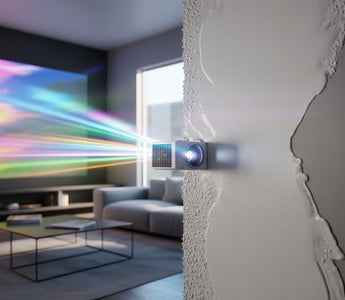
Choosing between projector paint and a screen can shape how your creative projects come to life. Whether you want to showcase digital art, design presentations, or movie nights, both options can produce clear, vibrant images.
If you want more flexibility with your setup and space, projector paint often gives you more creative control, while a screen offers simplicity and convenience.
You might love the idea of turning any smooth wall into a projection surface that blends into your workspace. Or you may prefer the ready-to-use, professional finish of a mounted screen.
Each choice brings different strengths depending on how you use your projector. This guide explores how projector paint and screens perform in real settings.
You’ll see how they differ in image quality, cost, and practicality so you can create a setup that fits your projects and your space.
Understanding Projector Paint and Screens

Choosing between projector paint and a screen depends on your space, budget, and how flexible you want your setup to be. Both options can give you sharp, bright images, but they differ in how they’re installed, maintained, and adjusted for lighting conditions.
What Is Projector Paint?
Projector paint, also called screen paint or projection paint, is a special coating that lets you turn a flat surface—like a wall or board—into a smooth projection area. It’s made with reflective particles that help boost brightness and contrast compared to ordinary wall paint.
You usually apply it with a roller or sprayer to create a seamless surface that works well with many projector types. A basic two-coat system is common: one coat for base color, another with reflective paint for performance.
This setup eliminates the extra frame or border that a screen requires. Projector paint fits well in home theaters and creative presentation spaces where you want a clean, minimalist look.
It also supports larger image sizes because you control how much wall space you paint. However, results depend heavily on how smooth and light your wall surface is—texture or dark colors can lower picture quality.
What Is a Projector Screen?
A projector screen is a dedicated surface made to reflect images evenly. These screens often feature a special gain coating that improves image clarity in different light conditions.
You can find them in fixed-frame, retractable, or portable styles. Each design has its own benefits for different rooms or setups.
In a home theater, a fixed-frame screen creates a professional finish and consistent image. Portable screens are great for projectors that move between rooms or for outdoor movie nights.
Screens come in various materials, including matte white and gray, to match viewing brightness and contrast needs. You don’t need to prepare or paint the wall, and the surface is designed for accurate color reproduction.
Screens can limit your display size and placement flexibility compared to a painted surface.
Popular Use Cases
Projector paint works best when you want a large and custom-sized display. It’s ideal for craft studios, workshops, or multipurpose areas where equipment needs to blend into the space.
You can even paint around furniture or create shapes for creative displays. Projector screens shine in dedicated home theaters or presentation spaces where lighting control matters.
They provide consistent brightness and picture quality, even under mild ambient light. Portable screens make it easy to take your setup on the go or use it for events.
Here’s a quick comparison:
|
Feature |
Projector Paint |
Projector Screen |
|
Installation |
Paint directly on wall |
Mounted or portable setup |
|
Flexibility |
Custom size and shape |
Fixed sizes available |
|
Cost |
Lower for large areas |
Higher for premium materials |
|
Surface Maintenance |
Needs smooth prep work |
Requires cleaning and careful handling |
Comparing Image Quality and Viewing Experience

Choosing between projector paint and a projector screen depends on how brightness, contrast, color accuracy, and lighting conditions affect what you see. The projection surface plays a vital role in how sharp, bright, and lifelike your images appear during watching or crafting sessions.
Brightness and Contrast Performance
Brightness and contrast define how visible and detailed your projection looks. A projector screen usually performs better here because its surface is designed to reflect light evenly.
This creates deeper blacks, higher contrast, and clearer definition in both light and dark images. Many modern screens also have specialized coatings that boost reflectivity while keeping hotspots to a minimum.
Projector paint gives you more flexibility, especially for large or custom surfaces. However, brightness depends on the paint’s reflective quality and the smoothness of the wall underneath.
Matte finishes can reduce glare but may also lower perceived brightness. Using a high-lumen projector helps compensate for this difference.
|
Factor |
Projector Screen |
Projector Paint |
|
Reflectivity |
High |
Moderate to High (varies by paint) |
|
Contrast Performance |
Consistent |
Depends on surface smoothness |
|
Maintenance |
Low |
May need repainting |
Color Accuracy and Projection Quality
For accurate color reproduction, a projector screen’s uniform surface helps preserve the original tones from the projector. Whites look neutral, and colors appear balanced.
Screens with fine optical coatings control light reflection, preventing tints or color shifts. With projector paint, color accuracy depends on both the paint formula and the wall preparation.
Small imperfections or uneven texture can scatter light, softening edges or altering hues. High-end projector paints are formulated to improve contrast and color uniformity, but they can’t fully replicate the engineered consistency of a dedicated screen fabric.
If you enjoy crafting or painting your own viewing space, primer selection and careful application are key for achieving professional-level projection quality.
Impact of Ambient Light and Lighting Conditions
Room lighting can change how your projection looks more than you might expect. A projector screen, especially ALR (ambient light rejecting) types, performs best in rooms that aren’t completely dark.
Its surface reflects light from the projector while rejecting stray light from windows or overhead fixtures. Projector paint offers less light control.
Under dim lighting, it still creates clear images, but daylight or strong artificial lighting will wash out the picture faster. You can reduce this by using darker tinted projector paints that absorb ambient light better, though overall brightness may decrease.
A simple rule: the more ambient light present, the more a screen helps maintain image quality.
Immersive Viewing Experience
Your sense of immersion comes down to how lifelike and consistent the image feels. A projector screen delivers crisp edges and balanced tones that make details pop, which helps pull you into the scene.
The defined surface also minimizes distortion, keeping the presentation focused and uniform. Projector paint gives you creative freedom to shape the viewing area to your space.
You can blend it into your décor, extend it across a full wall, or even add a textured frame effect. While the image may lose a bit of refinement compared to a screen, the seamless look offers a subtle, theater-like charm that many home setup enthusiasts enjoy.
Practical Considerations for Crafters

When you decide between projector paint and a screen, you balance creativity with practicality. Your choice affects how you prepare your surface, the flexibility of your setup, how easily you can change dimensions, and how much long-term care your projection system needs.
Surface Preparation and Application
You start with the foundation—the wall or surface you’ll project on. Smoothness matters most.
Even small dents or texture will blur details and reduce brightness. Before you apply projector paint, fill holes, sand rough spots, and clean away dust.
A flat surface provides even reflection and sharper images. Use a primer designed for smooth finishes.
Then roll on the projector paint in thin, even layers using a foam roller to avoid streaks. Some crafters prefer spraying for a flawless coat.
Allow each layer to dry fully before adding another. For a screen setup, the main task is to secure the frame tightly to avoid wrinkles.
If you use fabric, make sure it’s stretched evenly across the frame and the black border aligned straight for neat edges. Whether you paint or hang a screen, steady hands and patience are key tools for a clean projection surface.
Portability and Flexibility
Projection paint creates a permanent installation. Once it’s on the wall, your setup stays put.
This works best for a dedicated craft or home theater room where your layout doesn’t change often. A portable screen, by contrast, lets you adapt your space.
You can fold, roll, or mount it temporarily. That flexibility matters if you craft in shared areas or move between rooms.
A retractable or collapsible frame gives you control over your projection setup without committing to one wall. If you host craft fairs or workshops, portability makes setup faster.
You can take your projection surface with you and get consistent quality wherever you go. Consider lighting conditions, too.
Portable screens allow you to adjust position to manage glare or ambient light—something painted walls can’t do.
Customization and Screen Size Options
When you use projector paint, your wall size sets your limit—but that’s also your advantage. You can paint any shape or scale that fits your room.
Want a wider view for a crafting tutorial or detail work? Expand your painted area.
You can even create small accent zones for pattern projection. Screens come in standard sizes, but you can build custom ones with fabric and frame materials.
Some use blackout cloths or reflective materials to tweak brightness and color balance. A fixed-frame screen keeps alignment precise, while a roll-down version saves space in a busy workshop.
If aesthetics matter, add a black border to define edges and boost contrast. It gives your projection a clean frame and hides slight image overshoot.
For painted surfaces, trim tape or thin matte paint can serve the same purpose.
Maintenance and Longevity
Projector paint requires little upkeep once applied. Walls can collect dust or scuffs over time.
Wipe them lightly with a soft cloth—avoid harsh cleaners that dull reflectivity. If damage occurs, you can sand and recoat small areas without replacing the whole surface.
Screens need more attention. Fabric or vinyl materials can sag, wrinkle, or fade, especially in bright rooms.
Clean them gently with mild soap and water. For roll-down screens, check the mechanism regularly to prevent uneven tension that distorts images.
|
Option |
Maintenance Needs |
Expected Lifespan |
|
Projector Paint |
Low |
5–10 years+ with minimal wear |
|
Portable Screen |
Moderate |
3–8 years depending on material |
Also read: Best Art Projector for Tracing Drawings and Designs from Caydo
Making the Best Choice for Your Creative Space

Your projection setup depends on how you plan to use it. Consider your budget and how much effort you want to put into maintenance.
You’ll need to think about your space, from the wall texture to the lighting conditions. Decide whether projector paint or a projector screen fits your needs best.
Budget and Cost Factors
Projector paint often costs less upfront than a traditional screen, especially when you already have a smooth wall available. A single quart of high-quality projection paint can cover an average wall area for a modest price.
A good projector screen can cost several hundred dollars. Paint may need primer, multiple coats, and precise application tools, which adds both time and potential cost.
Screens are ready-made and provide consistent results right out of the box.
|
Option |
Typical Cost Range |
Extra Supplies Needed |
|
Projector Paint |
$80–$200 |
Primer, rollers, masking tape |
|
Projector Screen |
$120–$500+ |
Mounting hardware |
If you enjoy DIY projects and already have tools on hand, painted walls can stretch your budget further. For those who want a guaranteed uniform surface with no prep or repainting, a purchased screen can be worth the higher price.
Setting Up in Unique Spaces
For home theaters or presentation spaces where design matters, projector paint offers flexibility. You can coat an entire wall or even an irregular surface without needing to mount or store hardware.
This helps when working in multi-purpose rooms, art studios, or offices where you want a clean, clutter-free look. Painted walls also keep the projection area hidden when not in use.
You can decorate around it and maintain a seamless interior style. You’ll need to manage ambient light carefully since painted surfaces may reflect light differently than screens.
Projector screens create a stronger visual boundary and often produce more uniform brightness. They can work better in rooms with variable lighting or when you need a portable setup that can move between spaces.
Choose based on how permanent or flexible you want your projection area to be.
Long-Term Considerations
Durability, cleaning, and adaptability all affect long-term satisfaction. Paint can last years if you avoid scratches or chipping.
Frequent cleaning or wall damage may require touch-ups. It’s a good choice when you want a low-profile surface that blends with the room.
Projector screens can yellow or fabric stretching may occur over time, but quality screens resist wear and can be replaced easily without repainting. They’re also simpler to clean and maintain since you can wipe or lightly vacuum them.
If you often change your setup or move homes, a screen offers more flexibility. If your space stays fixed and style matters most, projector paint brings a sleek and permanent feel to your creative environment.
Wrap Up
Choosing between projector paint and a projector screen depends on your space, budget, and viewing needs. Projector paint offers flexibility and a sleek look by turning any wall into a display, while screens provide superior brightness, contrast, and portability.
Walls with projector paint require careful preparation and lighting control for best results. For optimal image quality and convenience, screens are often preferred, but paint is a great budget-friendly alternative.
Explore Caydo collections for projector accessories and find the perfect solution to enhance your viewing experience!
Frequently Asked Questions
How does projector paint compare to traditional screens in terms of image quality?
Projector paint reflects light evenly but can look slightly dimmer in bright rooms. It depends on the quality of both your projector and the paint itself.
A proper screen often gives a bit more contrast and sharpness, especially in rooms with mixed lighting. High-end projector paint can come close if applied correctly and used on a smooth, prepared wall.
Can I use any wall with projector paint, or does it require a special surface?
You can’t just paint over a rough wall and expect great results. The surface needs to be smooth, clean, and free of bumps or cracks.
Many people sand, prime, and apply a few coats of projector paint for best results. Matte or gray finishes often help reduce glare in brighter rooms.
What are the cost differences between setting up projector paint versus buying a screen?
Projector paint usually costs less overall, especially if you already have a flat wall. A small amount of paint can cover a large area and doesn’t require a frame.
Screens come in many price ranges. A high-quality fixed screen can cost more upfront but saves you prep time and gives a ready-made surface.
How do I decide between projector paint and a screen for my crafting videos?
If you often move your setup or film in different areas, a portable screen can make things easier. It gives you consistent lighting and background color for your videos.
If you have a dedicated wall in your craft room, projector paint saves space and blends nicely with your decor. It can also double as a wall art area when not projecting.
Is there a significant difference in setup and maintenance between projector paint and screens?
Once painted, a projector wall takes little upkeep other than cleaning dust. You may need to repaint after a few years if it starts to fade or get marked.
Screens require occasional cleaning but can last longer without needing touch-ups. They don’t rely on wall condition, so they tend to stay consistent over time.
Can projector paint be a good solution for outdoor movie nights with my crafting group?
Projector paint can work outdoors, but wall texture and weather conditions matter. Temperature changes, moisture, or direct sunlight can affect the paint’s finish.
A portable outdoor screen may be easier for casual events because it sets up quickly. It also stores away safely afterward.