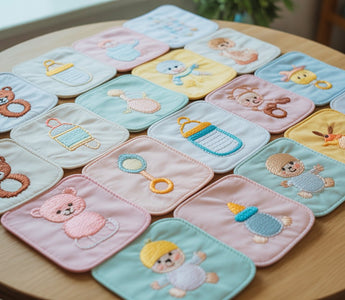
Soft fabrics and tiny details make baby embroidery designs a favorite among crafters who love personal touches. Whether you’re decorating a blanket, stitching initials on a bib, or creating a keepsake for a newborn, each design brings warmth and care to your project.
Baby embroidery designs help you turn simple pieces into meaningful gifts that celebrate life’s early moments.
You can choose from cute animals, toys, or alphabet patterns to match any nursery theme. With so many designs available for both hand and machine embroidery, you can easily find options that suit your skill level and style.
As you explore what makes these designs special and how to customize them, you’ll see how each stitch adds personality and charm to your handmade projects.
Get started by checking out our embroidery thread, hoops, and accessories.
What Are Baby Embroidery Designs?
Baby embroidery designs let you create detailed, decorative stitches that celebrate early childhood. You use them to personalize clothes, blankets, and nursery items with soft colors, friendly images, and simple shapes that suit a baby's gentle look.
Defining Baby Embroidery Designs
Baby embroidery designs are special patterns meant for baby clothes, accessories, and keepsakes. They often include simple outlines, soft curves, and delicate stitching that work well on lightweight fabrics like cotton or flannel.
Because babies have sensitive skin, these designs usually use smooth thread types and fine stitching to avoid stiff spots on fabric. You can apply these designs to many items, such as bibs, onesies, burp cloths, hooded towels, and nursery decor.
Machine embroidery files often come in popular formats like PES, DST, or JEF, making them easy to use with home embroidery machines. Most baby-themed designs come ready to stitch, though you can resize or adjust colors to fit your project.
This flexibility helps you create matching sets or personalized gifts that carry your creative touch.
Popular Baby Motifs and Patterns
Baby embroidery designs often include soft and cheerful figures.
Common motifs feature:
- Animals: teddy bears, elephants, bunnies, and ducks
- Toys: rattles, blocks, and rocking horses
- Symbols: hearts, stars, and moons
- Lettering: baby names, initials, or short phrases
These patterns tend to use light pastel colors like baby blue, pink, mint, or cream. You might see simple fill stitches combined with outline or satin stitches to keep the design smooth and soft on the fabric.
Some designs group similar elements into themed sets—such as “nursery animals” or “baby shower gifts”—so you can mix coordinating patterns for larger projects. Keeping your thread palette gentle helps maintain the calm and cozy look typical of baby items.
Differences Between Baby and General Embroidery
Baby embroidery designs differ from general embroidery mainly in size, style, and tone. They are smaller and less complex to suit tiny garments and delicate materials.
You need to choose fine needles and lightweight stabilizers so fabric doesn’t bunch or tear. The themes also stand out.
Regular embroidery might cover detailed florals or abstract art, while baby embroidery focuses on playful, age-appropriate imagery. The goal is to keep designs cute, simple, and safe for everyday baby use.
Another key difference lies in material care. Baby items need frequent washing, so you choose durable threads and gentle fabrics that withstand repeated cleaning.
By adjusting stitch density and color contrast, you keep the finished piece soft, lightweight, and comfortable for little ones.
Also check out our guide: 10 Basic Embroidery Stitches Every Crafter Must Know
Choosing and Customizing Designs for Baby Projects
Picking and adjusting baby embroidery designs takes a little planning. You’ll need to think about fabric type, design size, colors, and the personal touches that make each piece unique.
Simple patterns, soft shades, and careful placement all help produce baby-safe and attractive results.
Selecting the Right Design for Your Project
When choosing a design, start by matching it to the purpose of your project. Onesies, bibs, and blankets need designs that are smooth and gentle on delicate skin.
Avoid heavy stitching or thick thread types that can irritate a baby’s skin. Look for baby-themed motifs such as animals, toys, or soft shapes.
Designs with clear outlines and minimal layering stitch cleanly and show detail even after multiple washes. If you’re using an embroidery machine, check that the design’s stitch count matches your fabric weight—light cotton or flannel works best with medium-density designs.
For keepsakes or gift sets, coordinate multiple designs around a theme. For example:
|
Project Type |
Recommended Design Style |
Fabric Suggestion |
|
Baby blanket |
Outline animals |
Cotton or fleece |
|
Onesie |
Small monogram or icon |
Soft knit |
|
Burp cloth |
Lightweight border pattern |
Terry cloth |
Color Palettes and Personalization
Color choice shapes the mood of your finished piece. Soft pastel embroidery threads—like pale pink, mint, or sky blue—give your project a calm, classic feel.
Neutrals such as cream or gray create a timeless look suitable for any nursery theme. Use personal touches to make your embroidery stand out.
Add a baby’s name, initials, or birth date with a simple script font. You can also combine thread colors for subtle contrast, like pairing soft tones with a single accent color for the lettering.
When working on gifts, keep personalization balanced with design clarity. Overly complex color mixing can hide details.
Instead, limit your palette to three or four coordinating shades so the stitching remains neat and well-defined.
Sizing and Placement Tips
Proper sizing keeps embroidery designs looking neat and wearable. Large images can seem oversized on small garments, while designs that are too tiny lose definition.
Measure the available space with a ruler before stitching. For baby clothing, 2–3 inches wide often fits best on a chest or sleeve area.
You’ll get better results by testing placement on a scrap piece of fabric. Use water-soluble markers to outline the area for your design.
This prevents misalignment and protects your fabric from unplanned holes. Keep designs centered and balanced.
For example, on a blanket corner, angle the stitching slightly inward rather than toward the edge. On a bib or onesie, position the embroidery a few inches below the neckline for a comfortable fit and professional appearance.
Also read: 15 Small Knitting Projects: Creative Ideas Using Caydo Supplies
Machine Embroidery Designs for Babies
Machine embroidery designs for babies let you stitch cute animals, toys, and patterns onto blankets, bibs, or onesies. You work mostly with digital design files that match your embroidery machine’s format, and the right technique ensures clean, durable stitching.
Machine Embroidery File Formats
Embroidery machines read specific file types, and using the right one matters. Common formats include PES (Brother, Baby Lock), JEF (Janome), DST (Tajima), and VP3 (Husqvarna Viking).
Each design file stores color, stitch data, and pattern paths. Some sellers offer a folder of formats so you can pick the right one for your machine.
Always check your machine’s manual for compatibility before downloading or transferring designs. Most sites label each file format clearly.
If you use several machines, keep a conversion chart handy:
|
Machine Brand |
Common File Type |
|
Brother/Baby Lock |
PES |
|
Janome |
JEF |
|
Bernina |
ART |
|
Husqvarna/Pfaff |
VP3/VIP |
|
Multi-brand/Commercial |
DST |
Organizing your files by format and stitch size helps you save time and avoid loading issues.
Using and Downloading Digital Baby Designs
Digital baby embroidery designs come as instant downloads. You usually receive a ZIP file containing multiple formats, a picture of the design, and sometimes thread color charts.
When downloading, save files to a clear folder on your computer or USB drive. Many crafters keep designs labeled by theme, like “baby animals” or “nursery sets.”
Always unzip the file before importing it to your machine’s software. To start a project, test-stitch a design on scrap fabric.
This helps you confirm thread tension, stitch quality, and color before working on baby clothing or gifts. Many websites, such as embroidery marketplaces or craft design shops, also offer free baby-themed downloads for practice.
Tips for Flawless Machine Embroidery
Use soft stabilizers suited for baby fabric, such as tear-away or wash-away options. They support stitches without making the fabric stiff or scratchy.
Pre-wash the fabric to remove shrinking or coating. Adjust thread tension carefully so stitches look even.
Lightweight fabrics like cotton or flannel need gentle handling and smaller needles, usually size 70/10. Always use embroidery-specific thread, not sewing thread.
It has a smooth finish that reduces friction and helps prevent thread breaks. Finish each project by trimming loose threads and pressing the back gently.
Soft backing materials or iron-on protectors keep designs comfortable against a baby’s skin.
Also read: Embroidery Thread Colors Guide – Expert Tips & Palettes
Creative Uses for Baby Embroidery Designs
You can use baby embroidery designs to personalize clothes, decorate nursery spaces, and make thoughtful keepsakes. With machine embroidery designs, you can stitch durable, detailed patterns that make simple items more meaningful and long-lasting.
Embellishing Baby Clothing and Accessories
Adding baby embroidery designs to clothing creates a personal touch that printed designs can’t match. You can stitch names, initials, or small motifs like animals, stars, or hearts onto onesies, bibs, and hats.
Use soft pastel threads for a gentle look and ensure all materials are baby-safe and washable. Machine embroidery designs make it simple to decorate multiple pieces quickly.
Many crafters enjoy adding a small embroidered icon—like a teddy bear or lamb—to a corner of a blanket or the front of a onesie. You can also enhance accessories such as burp cloths, mittens, and diaper bags.
Adding embroidery along edges or pockets keeps the design subtle yet appealing. For neatly finished results, press your fabric before stitching and use stabilizers to prevent puckering.
Decorating Nursery Décor Items
Embroidery brings warmth and softness to nursery décor. You can use simple baby embroidery patterns to decorate wall art, crib sheets, pillow covers, and fabric baskets.
Creating a matching theme, such as clouds or woodland animals, can make the room feel calm and cohesive.
Try stitching embroidered panels that you can frame or hang from wooden hoops.
Machine embroidery designs allow you to create consistent motifs so every piece looks uniform.
For example, embroider matching stars on both curtains and blankets for a coordinated touch. Keep color choices soft—pale yellow, mint, lavender, and cream—for a cozy feel.
Use lightweight fabric like cotton or linen so stitches remain crisp and easy to manage.
Making Keepsakes and Gift Ideas
Embroidery turns everyday baby items into memorable keepsakes.
You can design embroidered birth announcements with the baby’s name, date, and weight stitched neatly on a fabric square.
Framed or sewn into a quilt, it becomes a lasting reminder of those early days.
If you’re preparing gifts, machine embroidery designs make it easy to produce personalized items such as bib sets, blankets, or stuffed animals.
Adding small details—like a baby’s initials or a birthday—shows thought and effort.
Consider grouping embroidered items into gift sets:
|
Item |
Embroidery Idea |
|
Blanket |
Baby’s name in script |
|
Bib |
Small animal motif |
|
Burp cloth |
Decorative border |
Wrap Up
Baby embroidery designs bring charm and personalization to baby clothes, blankets, and accessories.
Choose soft, safe fabrics and simple, cute motifs like animals, stars, or initials. Whether hand or machine embroidered, these designs add a loving touch to baby gifts or keepsakes.
Explore a variety of adorable designs by checking out Caydo’s embroidery kits to create memorable, handcrafted treasures for the little ones in your life!
Also read: Unique Embroidery Gift Ideas To Make and Share
Frequently Asked Questions
What are the best fabrics to use for embroidering baby items?
Choose soft, breathable fabrics such as cotton, flannel, or jersey knit. These materials feel gentle on a baby’s skin and are easy to sew and embroider.
Avoid rough or heavy fabrics that could irritate delicate skin. Pre-wash your fabric to remove any finishes and to prevent shrinking after stitching.
How do I select the perfect thread colors for nursery-themed embroidery?
Pick soft pastels or muted tones that match common nursery colors like light blue, pink, mint, or cream. These shades create a calm, cozy look.
If you want something brighter, use one or two bold shades as accents to make certain parts of your design stand out. Always test colors together before stitching on your final piece.
Can you provide tips for personalizing baby gifts with embroidery?
Add the baby’s name, initials, or birth date to blankets, onesies, or plush toys for a thoughtful touch. Use simple fonts that remain clear when stitched small.
Always confirm spellings before you start stitching. Keep placement centered and balanced.
What are the latest trends in baby apparel embroidery designs?
Modern baby embroidery often features minimalist line art, woodland animals, and nature-inspired motifs like leaves or rainbows.
Neutral palettes are popular for gender-inclusive gifts. You might also see creative textures, small 3D details, or blended thread colors to give your work soft dimension.
How do I ensure the durability of my embroidery on baby clothes through multiple washes?
Use polyester embroidery thread, which is colorfast and strong enough to handle frequent washing. Tie off stitches securely and trim loose threads before laundering.
Wash embroidered items inside out in cold water on a gentle cycle. Air dry when possible to preserve color and shape.
What safety considerations should I keep in mind when creating embroidered baby products?
Skip beads, sequins, or loose embellishments that could become choking hazards. Keep backings smooth so stitches never scratch or rub the baby’s skin.
Always secure threads tightly so nothing can unravel. Use soft stabilizers that keep the fabric flexible and comfortable to wear.